
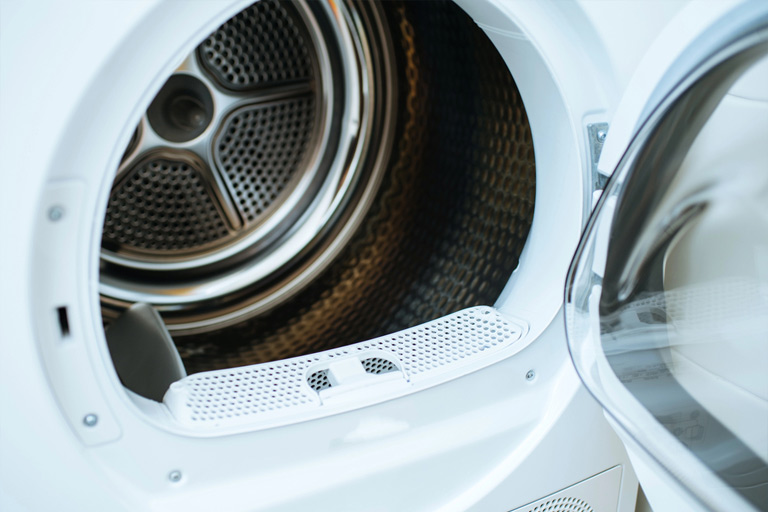
Step 1: Initial System Assessment and Diagnostics
Before any physical cleaning begins, a thorough evaluation is required. Technicians inspect the exterior vent flap while the unit is running to gauge the velocity of escaping air. A weak discharge signals a severe obstruction within the line.
At this stage, specialists also evaluate the operational status of the clothes dryer itself. Identifying mechanical issues, restricted transition ducts, or improper venting materials early ensures that the cleaning process targets the root cause of any performance drop.
Step 2: High-Power Mechanical Extraction
Standard household vacuums lack the reach and suction power required to clear long, winding exhaust lines. Professional cleaning relies on specialized equipment:
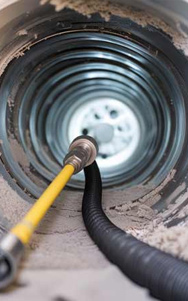
Rotary Brush Systems: Flexible, high-speed rods equipped with specialized soft or medium bristles navigate bends and elbows safely. They dislodge compacted, highly flammable lint stuck to the interior pipe walls without cracking rigid metal ductwork.
Simultaneous Negative Air Vacuuming: As the rotary system loosens debris from the walls, a high-powered commercial vacuum system draws the loosened lint and dust outward, preventing it from blowing back into the laundry room.
Step 3: Complete Duct Inspection and Joint Verification
Once the primary blockages are cleared, technicians inspect the entire run from the back of the appliance to the exterior wall cap. They check for crushed sections, disconnected joints, or unauthorized materials like plastic accordion foil. Damaged segments are flagged or replaced, as degraded materials drastically increase friction and trap lint rapidly.
Step 4: Final Airflow and Safety Verification
 The service concludes with a post-cleaning performance test. Technicians measure the exhaust velocity and verify that the backdraft damper opens and closes correctly. This confirms that static pressure has dropped to safe manufacturer parameters, allowing the appliance to vent moisture efficiently.
Protecting Your Home Environment and Efficiency
A neglected vent system does more than increase drying times. Trapped humidity and heat create the ideal environment for condensation, which can lead to mold growth behind walls or in laundry spaces. These hidden contaminants directly impact the air quality in your home, potentially triggering allergy and respiratory symptoms for household members.
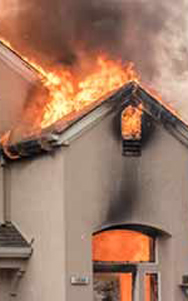
To protect your property from fire risks and maintain peak mechanical efficiency, homeowners should have your dryer ducts cleaned by certified professionals at least once every twelve months. Regular preventative maintenance extends the lifespan of your appliance, lowers monthly utility bills, and guarantees complete peace of mind.